These examples are real improvements completed by me to show how practical process improvement, better reporting, and targeted automation can reduce admin drag, improve visibility, and save real money — from multi-site operations to Toyota manufacturing floor kaizen.
A 4-location operation reduced repetitive admin work, replaced paid scheduling software, improved reporting visibility, and standardized recurring workflows.
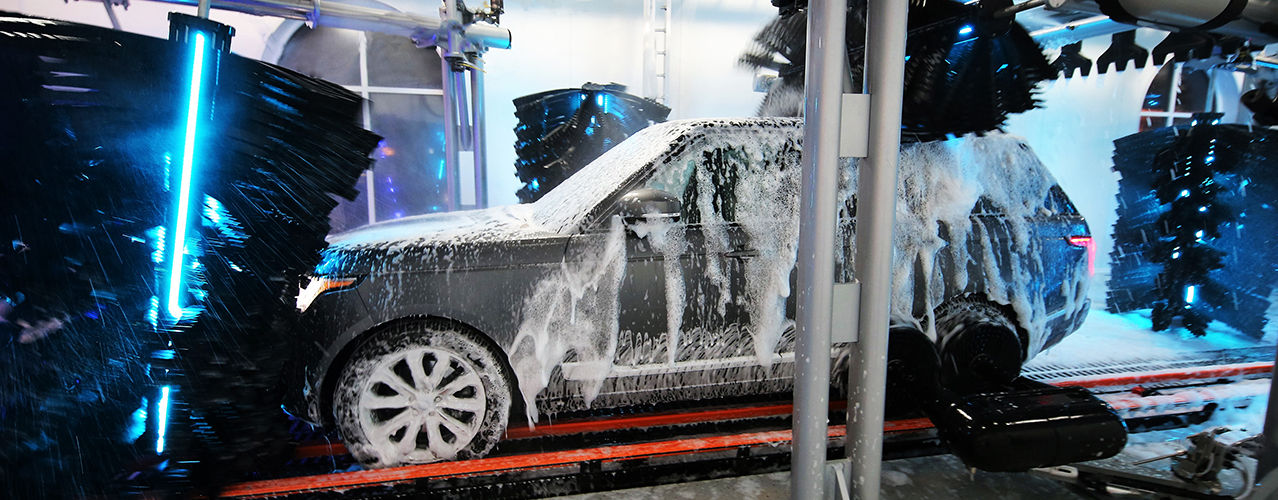
Real A3 problem-solving and kaizen circle projects led inside Toyota motor manufacturing — eliminating processes, reducing production line downtime, improving quality tracking, and solving safety and ergonomic issues on the shop floor.
Running with 23 processes online and 27 TMs including TLs. The mirror finish spatula process was no longer needed — robots were now applying mirror beads on location with consistency. The process and its workforce allocation were still running despite the work being automated upstream.
Combined the mirror finish spatula work into the existing hood/hatch apply process. Retimed all affected processes at 57-second takt, revised EIS (Element Information Sheets), and retrained team members. Eliminated the standalone mirror finish process entirely and reduced the workforce required to produce the same output.
When there was an SA (Sub Assembly) deck fault, the alarm andon was identical to other alarms playing in OLED. TMs couldn't distinguish the SA fault from other andons, causing missed responses. The slat line would go full, stopping production. At $1,000/minute of downtime, even short delays added up fast.
Changed the SA fault andon song to a unique alarm that overrides all other alarms in OLED. Added a visual strobe light for redundancy, and implemented repetitive radio notifications. Fishbone analysis covered Man, Method, Machine, and Material root causes to ensure comprehensive countermeasures.
Offline vehicle tracking was done on a whiteboard — wiped clean at the end of every shift. Not all defects were entered or accounted for. No historical data existed to kaizen from, and there was no way to pull trends or understand why vehicles were going offline. Direct Run sat at 95.95% but True Direct Run was only 90.6% — a 5.35% gap that wasn't being addressed because the data didn't exist.
Worked with I.S. to implement the VFRB (Vehicle First Run Board) system digitally on the ED side — yokotening the existing TC-side system. Installed a TV display for real-time visibility, configured terminal input and confirmation on the same station, and created tracking sheets for TMs running offline. Paint Hospital turnaround time reduced from 6 hours to 2 hours per panel.
Out of 10 entrances/exits on the slat line, 1 was blocked by a process dolly — creating a safety hazard requiring TMs to push the dolly out of the way to exit. The process dolly was also causing the sealer hose to get hit, leading to excess sealer losses on hatch perimeter defects. Only 1.5 feet of clearance existed.
Moved the process position toward the rear door area, clearing roughly 4 feet of clearance at the exit. Updated EIS documentation, revised process start/stop points, and re-routed the sealer hose. Achieved a 33.5% reduction in hatch perimeter defects (target was 50%), with ongoing EIS revisions in progress to close the remaining gap.
TPM team members were manually carrying full UBC reclaim bins — each weighing 10–12 Kg (H&S standard is 6.3 Kg) — from the right side of Main Body line to the reclaim system on the left side. The route covered roughly 100 meters, included going up and down a set of stairs, and required carrying 6 full bins plus 6 empties each trip. Only one crossing point existed at Station #5 with 20 inches of clearance.
Designed and built a custom dolly from existing materials — sized to hold 6 reclaim buckets, fitted with castor wheels for maneuverability through the 20-inch clearance points. Eliminated the need for TMs to carry heavy bins by hand, reducing the ergonomic burden while fitting the dolly along the backside of Main Body line. Evaluated 5 countermeasure options before selecting the best solution.
Load cell TMs took 10–15 minutes to set each support arm in the correct orientation for machining. Their hands were full holding a square, pulling/pushing on the top bore, and holding a 1/2-inch block — sometimes at the wrong location. Misalignment caused pallets to get kicked out of the MC01/02 machine and returned to the load station for re-setup.
Designed and machined a custom ring tool (12.050" OD x 11.050" ID) cut in half, with countersunk strong magnets for hands-free attachment to the support arm. The tool replaces the block method, provides correct bore alignment every time, and works across 27" and 31" support arms — covering all part numbers, left and right side.
TMs took 7–15 minutes to set up each feedroll hub for splitting on the horizontal saw. The process required eyeballing the levelness of the hub using a level placed across 2 bolts, repeatedly adjusting during C clamp tightening, and compensating for movement when the clamp was installed. With 500 hubs per year, the setup labor cost alone was approximately $7,875 annually.
Measured, drilled, and tapped 2 precision holes into the existing jigs so hubs bolt directly into the exact position and levelness required — eliminating the need to eyeball levelness entirely. Modified 2 existing jigs and built a 3rd jig for different hub sizes. The C clamp was no longer needed, and setup went from a multi-step adjustment process to a simple bolt-in operation.
Whether it's process improvement on the floor, admin automation across locations, or finding the hidden cost leakage in your operation — the approach is the same: find waste, fix flow, unlock profit.