AI-assisted Kaizen analysis for manufacturers and operations-heavy businesses

Manufacturing & Operations Cost Reduction
Find hidden savings in your operation.

KAIzenWorks Industrial helps manufacturers uncover where profit is quietly leaking across scrap, downtime, labor inefficiency, scheduling, and admin work — then turns those findings into practical implementation plans and automation systems your team can actually use.

Built on 20 years inside Toyota manufacturing systems Operator-first ROI-first No software overhaul required
Works with messy, real-world data
Designed for operators, not analysts
Focused on action, not dashboards
Get Your 14-Day Cost Analysis → See Real Results → About KAIzenWorks →

Built for plant managers, COOs, owners, CI leaders, and multi-site operators who want less waste, less admin drag, and more margin.

Top 3–5 savings opportunities Prioritized by likely financial impact and practicality.
30 / 60 / 90 roadmap A plan leadership can review and act on immediately.
Practical next step Diagnostic first, then process changes, automation, or both.
Operations leader reviewing plant performance and cost data
14-Day Operational Cost Diagnostic Fast-turn analysis
A focused engagement that shows where your operation is likely losing money, what those issues may be worth, and what to fix first.
Top 5
Highest-value savings opportunities identified and prioritized
90 Days
Roadmap to validate, improve, standardize, and automate
What you get
  • Operational savings map: where money is leaking and why
  • Financial impact estimate: conservative annual savings ranges tied to the biggest issues
  • 30/60/90 action plan: what to validate, fix, standardize, and automate first
  • Executive review: clear output operations and finance can review together
Best fit: operations with recurring waste, scheduling friction, clerical overload, reporting drag, or bottlenecks that never show up clearly in normal reporting.
Where most operations lose money without realizing it
Most plants do not have one giant obvious problem. They have five to ten recurring inefficiencies that quietly drain margin every month.
Micro-Downtime
Scrap Variance
Scheduling Waste
Admin Drag

Micro-downtime that never gets treated like real downtime

Small stoppages, waiting, handoff delays, and interruptions that quietly take capacity off the table every week.

Scrap and quality losses hidden by shift, setup, or product family

Variance gets normalized when it is spread across teams, parts, materials, or changeovers — but the margin loss is still real.

Scheduling, labor, and admin work that steal management time

Managers end up buried in spreadsheets, follow-up, reporting, attendance, and repetitive decision-making instead of running the operation.

Real operational results

This is what practical process improvement and targeted automation can look like when waste is attacked directly instead of managed around.

Anonymized case study • 4-location operation
Operations team reviewing performance results across locations
Real example
$75,000–$90,000+ in estimated annual savings

Within roughly 60 days, this operation eliminated paid software, reduced repetitive admin work, improved visibility across sites, and standardized several recurring workflows.

$4.8K
Annual software cost eliminated by replacing a paid scheduling app
11+
Automations deployed across scheduling, KPIs, payroll support, inventory, and compliance
4 Sites
Standardized scheduling, reporting, and operational visibility across locations
10–20+
Hours per week of admin work reduced across leaders and supervisors

The problem

  • Payroll support was being completed manually every week across four locations
  • Managers and supervisors were spending too much time building schedules and tracking attendance
  • Inventory ordering depended on manual review instead of automated reorder visibility
  • Checklist completion and site accountability were harder to monitor consistently
  • The business was paying for scheduling software that could be replaced internally

The solution

  • Built a custom scheduling and attendance tracking system to replace paid software
  • Automated KPI reporting with daily, weekly, and exception-based summaries
  • Created weekly inventory emails showing what to order and how much by site
  • Automated chemical order generation after physical count input
  • Added weekly snapshot reporting for open, close, and daily checklist completion by location

Where the savings came from

  • Reduced executive payroll administration time
  • Time savings for managers and supervisors on scheduling and attendance tracking
  • Lower inventory admin time and fewer ordering mistakes
  • Subscription cost elimination
  • Improved accountability, visibility, and standardization across all locations

Why this matters

Most companies do not realize how much profit disappears into admin work, fragmented reporting, manual scheduling, missed follow-up, and repetitive decision-making.

This was not driven by a giant software rollout. It came from understanding operations, identifying waste, and building practical systems that reduce friction.

Results based on real operational implementation. Details anonymized for confidentiality.
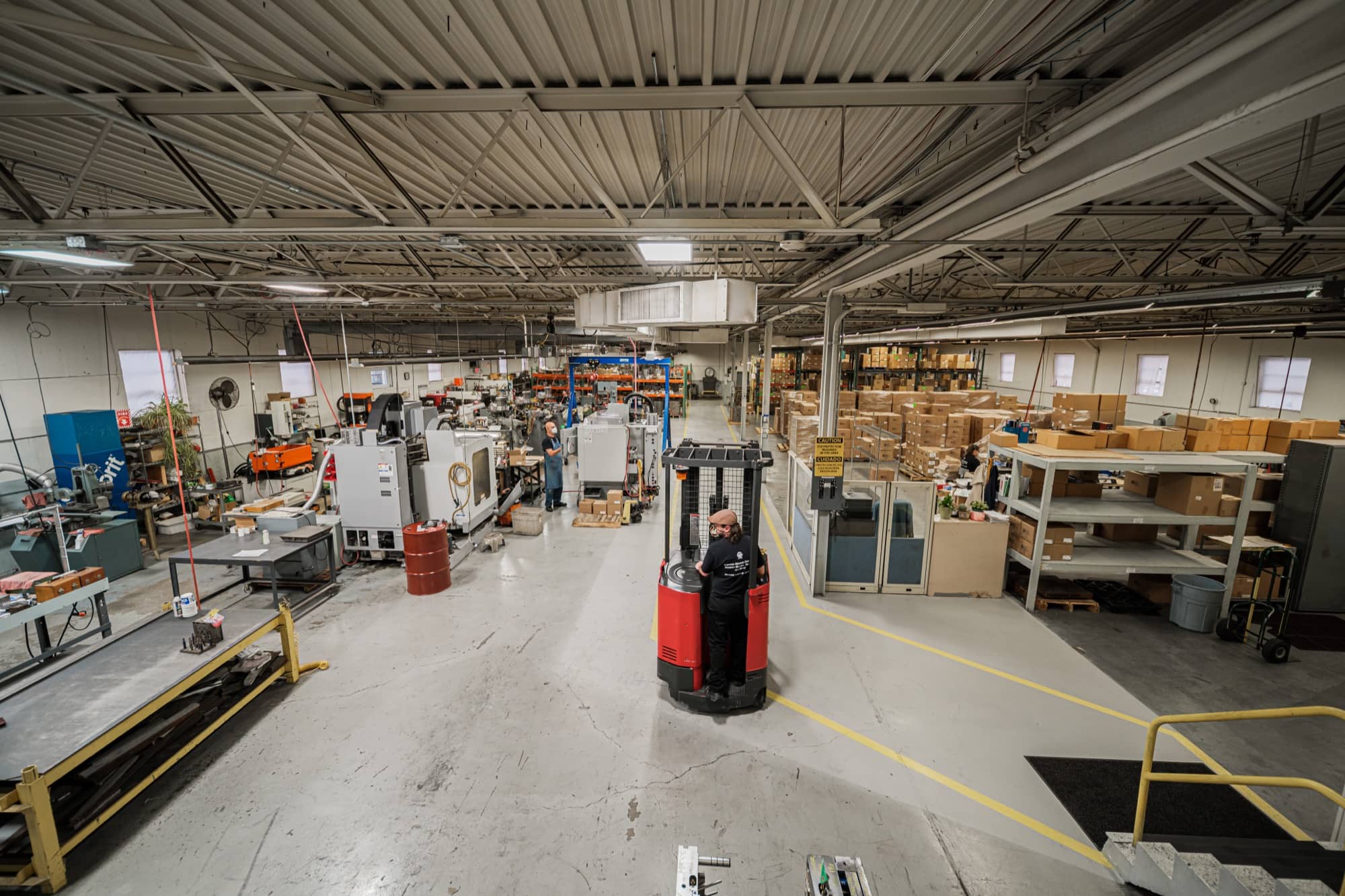
Modern manufacturing facility and production environment
Built on a Toyota-rooted Kaizen foundation
Twenty years inside a high-standard Toyota motor manufacturing environment shaped the mindset behind this approach: reduce waste, improve flow, keep recommendations practical, and focus on what operators will actually use.
20 Years Toyota Manufacturing Experience
Continuous Improvement Mindset
Shop-Floor Practical

Why this works when most consulting doesn’t

Most consulting fails because it delivers analysis without action, dashboards without implementation, or recommendations disconnected from real operations.

Operator-first

Built around how work actually happens on the floor, not around abstract theory or presentation-ready buzzwords.

AI-accelerated

AI helps surface patterns across scrap, downtime, labor, scheduling, and admin workflows that are hard to spot manually.

Execution-focused

Every insight is tied to a practical next move, a financial case, and a clear order of operations.

What makes KAIzenWorks different

  • Kaizen-rooted: focused on waste, bottlenecks, flow, and standard work
  • Finance-friendly: output framed around cost leakage, savings opportunity, and priority
  • Low-friction: no major software overhaul required to start finding value
  • Practical: built for messy real-world operations, not perfect environments

Common plant problems this helps with

  • Margin pressure despite decent sales volume
  • Recurring micro-stoppages or unexplained downtime
  • Scrap variance by shift, line, or product family
  • Chaotic scheduling, overtime imbalance, or admin overload

Custom automation systems that reduce clerical drag

Many businesses lose hours every day to repetitive admin work that should not be manual anymore. KAIzenWorks Industrial builds practical automation systems that reduce this burden, improve consistency, and free managers to run the operation.
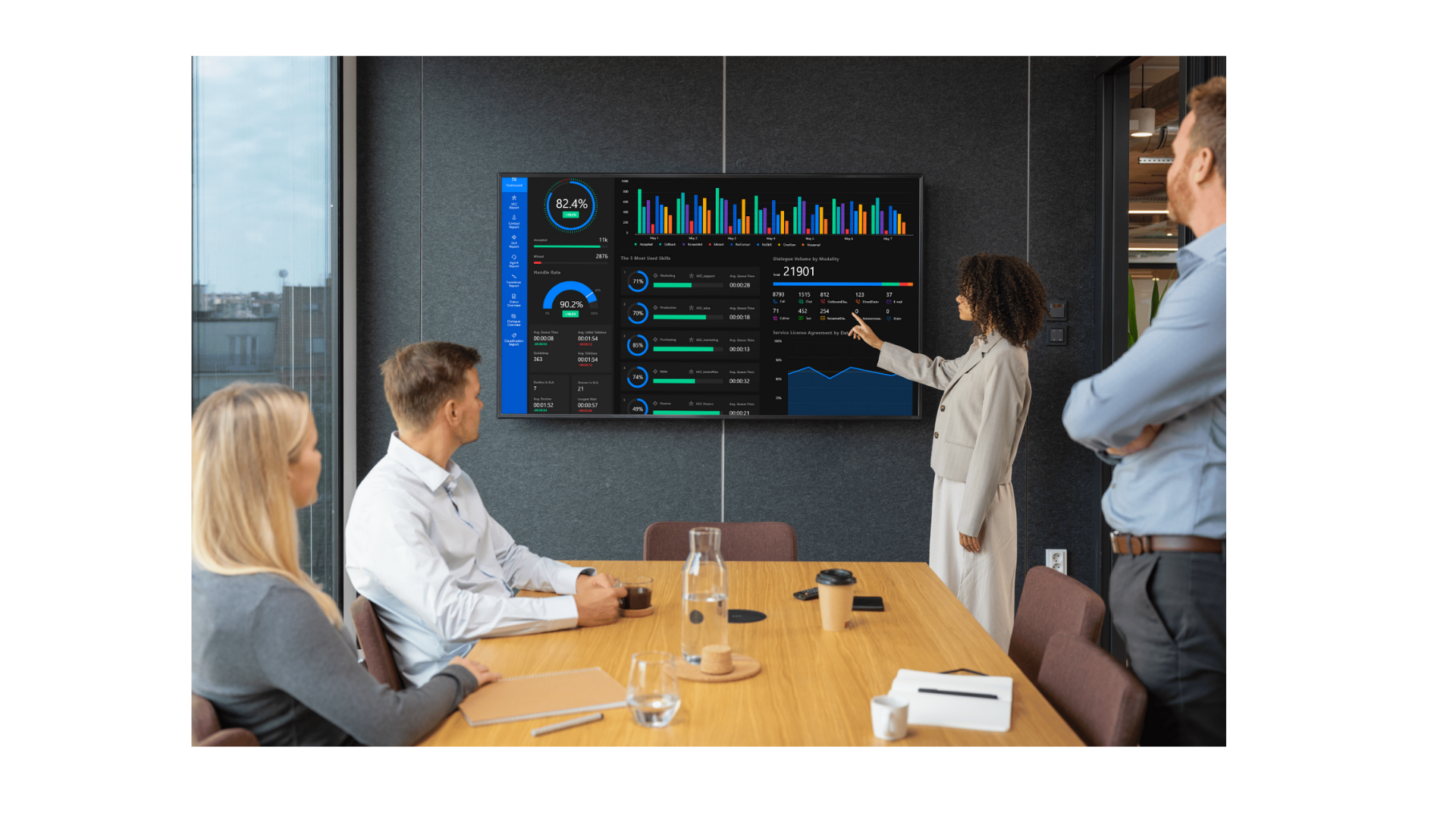
Automation dashboard showing operational reporting and workflow visibility
Built for operations-heavy businesses
Practical automation for manufacturers, service businesses, trades, and multi-site operations that need less admin drag and more visibility.
Scheduling
Attendance
Reporting
Inventory
Compliance

What can be automated

  • Scheduling and attendance tracking
  • Payroll prep support and hours summaries
  • Daily, weekly, and monthly KPI reporting
  • Inventory alerts, reorder summaries, and order prep
  • Checklist completion tracking and exception alerts
  • Executive summaries for owners, managers, and leadership teams
  • Form-to-sheet workflows for incidents, maintenance, approvals, and requests
  • Custom office and admin workflows based on how your operation actually runs

How the offer works

  • Option 1 — You already know what to automate.
    Point to the workflow that is wasting time, and KAIzenWorks can build a system around that exact process.
  • Option 2 — KAIzenWorks identifies the best automation opportunities.
    If you are not sure where to start, the workflow gets reviewed and the highest-impact clerical savings opportunities get prioritized first.
  • Built around your real workflow.
    The goal is not automation for the sake of automation. The goal is a practical system your team will actually use.
Best fit: businesses still relying on manual spreadsheets, repeated data entry, email follow-up, disconnected reporting, and managers spending too much time on clerical work.
AI Agent capability
KAIzenWorks can also build AI agents that monitor data, flag issues, generate summaries, and surface savings opportunities automatically in the background.
Monitoring
Alerts
Summaries
Savings Signals

AI Agent systems that keep watching in the background

  • Monitors operational data and recurring workflows continuously
  • Flags anomalies, missed follow-up, and emerging inefficiencies earlier
  • Generates daily, weekly, or executive summaries automatically
  • Helps turn continuous improvement into an ongoing system instead of a one-time project

Why this matters

Most companies do not need more dashboards. They need the right issues surfaced automatically, the right people notified, and the right follow-up happening without constant manual effort.

This is where KAIzenWorks goes beyond reporting. The goal is to build systems that help the business think faster, respond faster, and keep improving.

Built around your real workflow, your real data, and your real operating problems — not generic AI tools.
See Full Automation Capabilities → Discuss an Automation Build →

See what the analysis output looks like in 3 minutes

This walkthrough shows how manufacturers can uncover hidden cost savings in operational data and turn that into a clear 30/60/90 execution plan.

Example output from the analysis

This is the kind of output operations and finance can review together: the most likely cost-reduction opportunities, estimated impact, and a clear priority order.

Sample Operational Efficiency Analysis
Example metal fabrication company • 120 employees • last 12 months of operating data
Illustrative example only
Opportunity Estimated Annual Impact Priority
Recurring micro-downtime across two production lines $120,000 High
Scrap variance in product family B $95,000 High
Changeover scheduling inefficiency $70,000 Medium
Labor utilization imbalance between shifts $55,000 Medium
Maintenance response delays $40,000 Medium
Total estimated savings opportunity
Illustrative example only. This shows how the analysis frames likely areas of operational margin leakage.
$380K/year

How it works

A simple process that turns messy operational data into a practical cost-reduction roadmap.

Operations planning workflow and process improvement collaboration

Step 1 — Rapid intake

  • Short kickoff call to understand plant context, constraints, and where the pain is showing up
  • Review available data sources such as ERP exports, scrap logs, downtime notes, scheduling data, labor patterns, maintenance logs, or admin workflows
  • Align on what useful output looks like for both operations and finance

Step 2 — AI-assisted Kaizen analysis

  • Identify hidden waste patterns across scrap, downtime, labor, scheduling, and admin workflows
  • Use AI to surface patterns across large datasets that are difficult to detect manually
  • Estimate financial impact using conservative operational assumptions and prioritize opportunities based on ROI and practicality

Step 3 — 30/60/90 roadmap

  • 30 days: validate root causes, establish baseline KPIs, and implement quick wins
  • 60 days: standardize process changes, reduce manual work, and improve workflows
  • 90 days: reinforce gains, automate repeatable tasks, and lock in continuous improvement

Step 4 — Executive review

  • Review the findings with leadership in plain language
  • Align operations and finance around the highest-ROI opportunities
  • Decide what gets implemented internally and where KAIzenWorks should support the build

The 14-Day Operational Cost Diagnostic

This is the first engagement. It is designed to be focused, practical, and low-risk — not a giant consulting commitment.

What’s included

  • Top 3–5 cost-reduction opportunities
  • Estimated annual financial impact
  • 30/60/90 implementation plan
  • Executive review session

Best fit

  • 50–500 employees
  • Complex production or scheduling environment
  • Recurring scrap, downtime, labor imbalance, or admin overload
  • Usable operational data already exists somewhere

Why buyers like it

  • No major software change required
  • Fast time to insight
  • Clear operational and financial framing
  • An easy first step before bigger implementation decisions

Not a fit for every operation

KAIzenWorks is strongest when there is real operational complexity, recurring inefficiency, and a willingness to act on what gets uncovered.

This is probably not the right fit if…

  • You are looking for a large ERP or enterprise software overhaul
  • You do not have any usable operational data at all
  • You want high-level strategy without implementation
  • You are not prepared to act on identified issues

This is a strong fit if…

  • You know there is hidden waste, but it is not obvious where to attack first
  • Your managers spend too much time on admin, follow-up, scheduling, or reporting
  • You want measurable improvements, not a vague innovation project
  • You want practical systems your team will actually use

Want to see where hidden cost savings may be sitting in your operation?

Book a short call and I’ll walk you through how the 14-Day Operational Cost Diagnostic works. If it makes sense for your operation, the result is a clear list of improvement opportunities plus a 30/60/90 action plan. If not, you’ll know quickly.

Book a Call → Request via Form ↓ Prefer email? Use the form below.

Request the diagnostic

Submitting opens your email client with a prefilled message.

FAQ

  • Do you need perfect data? No. We work with what exists and validate with operational context.
  • Is this software implementation? Not necessarily. It can begin as a diagnostic, then lead to process changes, automation, or both.
  • How fast can we see value? Often quickly, once the highest-value issues are visible and prioritized.
  • What happens after the diagnostic? You can implement internally or bring KAIzenWorks in for support building the systems.